

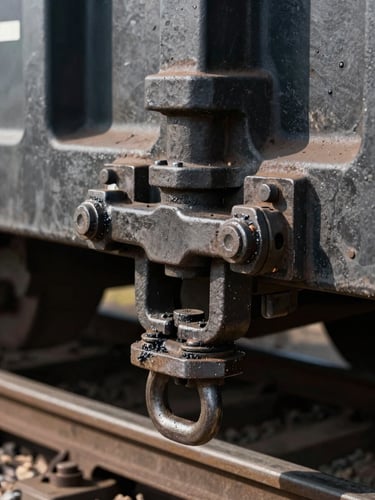
Fixed schedules. Real capacity. Direct routing.
Full-train and block-train commitments on published slots. Cross-border coordination without re-booking. If your tonnage fits the date, it moves.
Match your load to the right commitment
Full-Train Charter
Block-Train Slots
Cross-Border Coordination
Dedicated consist for bulk commodities — grain, aggregates, steel coil. Fixed departure, fixed arrival window. Capacity guaranteed at booking.
Containerised freight on shared consists. Book by the wagon block, not the whole train. Slots published four weeks ahead on confirmed corridors.
Single booking covers all border handoffs. No re-tendering at national boundaries. Customs documentation managed inside one operation.
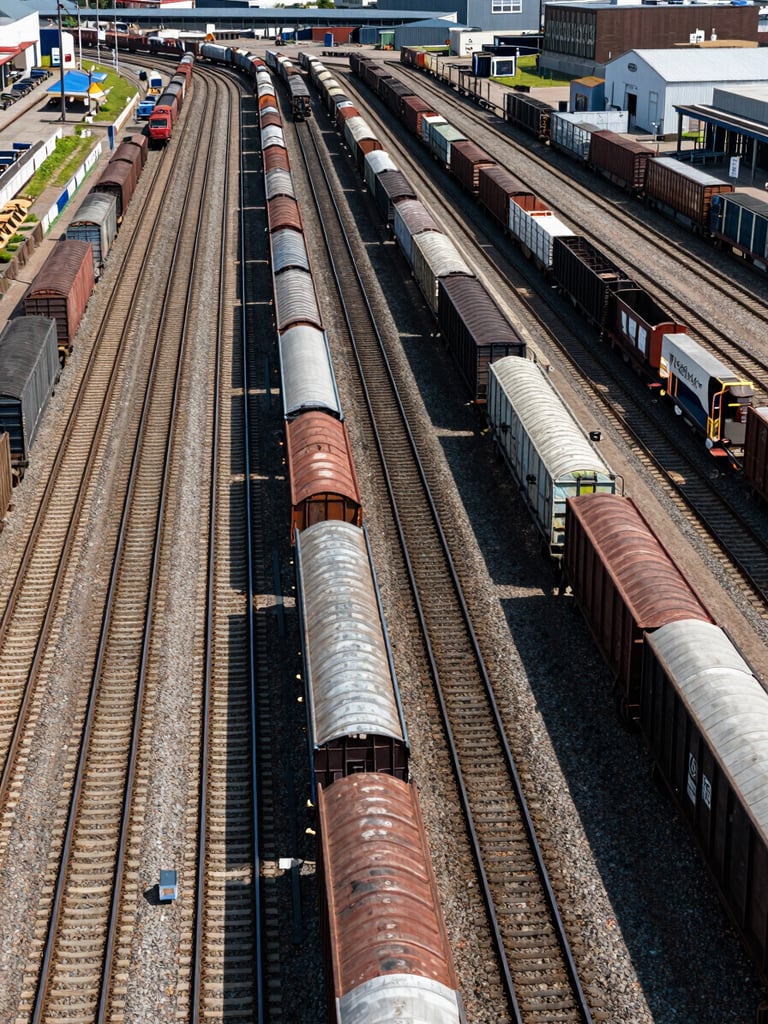
Slots published. No surprises at the gate.
Available tonnage per corridor is posted on a rolling four-week window. If the slot is open, your freight moves on the confirmed date. If it isn't, we tell you before you commit.
Train departure times are set by track access, not driver availability. That constraint runs in both directions — tight schedules mean predictable transit, not flexible ones.
Your route. Your tonnage. Does it fit?
Submit your corridor, load type, and target dates. Operations will confirm capacity or give you an honest no — usually within one business day.